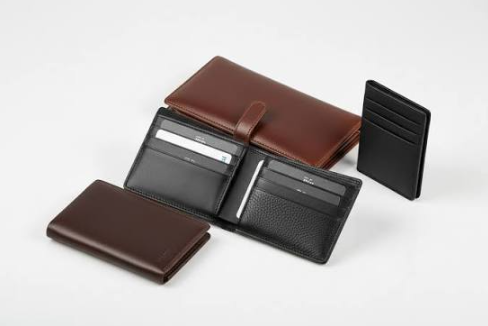
Wallets are everyday accessories that need to balance appearance with practical organization. While there are many modern formats available, traditional designs continue to attract people who want convenient access to cards and cash without carrying a large wallet.
A two-fold format is particularly versatile because it provides useful storage while remaining relatively compact. When selecting one, shoppers should consider material, internal layout, size, durability, and the amount they normally carry.
What Makes the Design Practical?
A bifold wallet folds over itself, allowing storage to be arranged across two main sections.
This format can provide a useful balance between capacity and portability. It may include card slots, a section for banknotes, and additional compartments depending on the design.
Because it folds, it can fit comfortably into many bags and some larger pockets.
Consider Your Daily Essentials
Before choosing a wallet, think about what you carry every day.
Someone who uses only a few payment cards may prefer a slim design. Someone who carries several cards and cash may need more internal organization.
Avoid selecting a wallet simply because it offers the largest possible capacity. Extra space can encourage unnecessary items to accumulate.
Card Slot Arrangement
The placement of card slots affects how convenient the wallet is.
Frequently used cards should ideally be easy to access. Less frequently used cards can be stored in secondary compartments.
A good layout should also prevent cards from becoming excessively tight. If slots are too narrow, removing cards repeatedly can become frustrating.
Banknote Storage
Traditional two-fold wallets often provide a compartment for banknotes.
Consider the type of currency you normally carry and whether notes need to be folded. If cash is used frequently, sufficient space should be available without making the wallet unnecessarily thick.
People who primarily use cards may prioritize additional card organization instead.
Material Selection
Leather is commonly associated with classic wallet designs because of its durability and refined appearance.
Different leather types have different textures, finishes, and care requirements. Some may develop a patina over time, creating changes in color and character.
The choice should depend on personal preference and expected usage.
Thickness and Portability
A wallet can become bulky when every compartment is filled.
A good practice is to evaluate the wallet when it contains the items you actually carry rather than judging its empty size.
If the wallet is intended to fit inside a small handbag, its folded thickness should be considered carefully.
Design and Personal Style
Classic does not have to mean boring.
A wallet can remain practical while incorporating interesting leather textures, stitching, colors, or subtle branding.
Neutral colors can be versatile for professional settings, while deeper or brighter shades may offer more personality.
Everyday Durability
A wallet is handled frequently, so construction quality matters.
Pay attention to stitching, edges, folding points, card-slot construction, and hardware. These areas experience repeated movement and friction.
Proper care can also extend the useful life of the wallet.
Avoid Overloading
One of the easiest ways to damage a wallet is to fill it beyond its intended capacity.
Overloading can stretch card slots, distort the fold, and put additional stress on stitching.
Regularly reviewing the contents can prevent unnecessary pressure and keep the wallet easier to use.
Travel Considerations
Travel can create different wallet requirements.
People may carry additional identification, payment cards, transit cards, or foreign currency. In such situations, a slightly larger format may be more practical.
However, carrying unnecessary cards during travel can increase clutter. A careful selection of essentials can keep the wallet manageable.
Choosing a Timeless Accessory
Wallets are often used for long periods, so timeless design can be a sensible approach.
A clean silhouette and durable material can remain appropriate across changing fashion trends. The goal is to select something that feels suitable today and remains useful over time.
Three Common Questions
1. Why choose a two-fold wallet?
It offers a practical balance between organization and portability, often providing space for cards and cash without the size of larger wallet formats.
2. How many cards should I carry?
There is no universal number. Carry only the cards that are regularly needed, while keeping occasional-use cards elsewhere when practical.
3. How can I keep my wallet slim?
Remove old receipts and unnecessary cards, and avoid filling compartments simply because they are available.
Conclusion
A classic two-fold wallet remains a practical choice because it combines familiar organization with everyday portability. Its usefulness depends on thoughtful internal design, appropriate size, quality materials, and sensible packing.
When selecting a wallet, consider how you actually carry and use your essentials rather than focusing only on appearance. A well-chosen design can provide reliable organization while remaining comfortable to carry throughout the day.
