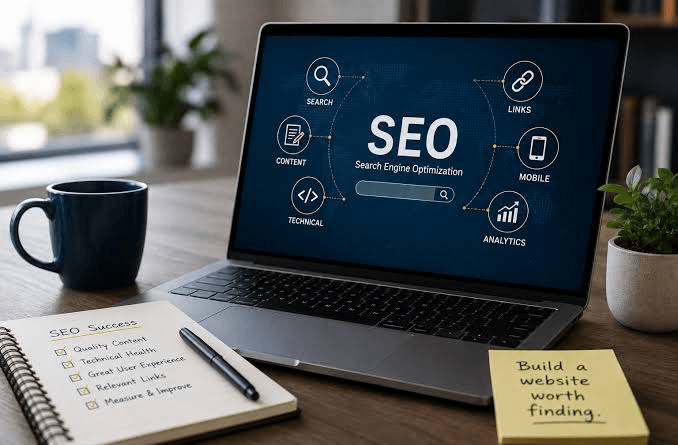
A visually appealing website can create a strong first impression, but attractive design alone is not enough to achieve long-term online success. Businesses also need websites that search engines can understand, navigate and index effectively. This is where SEO friendly website design becomes essential.
By combining thoughtful design with search engine optimisation, businesses can develop websites that deliver positive user experiences while supporting stronger organic visibility. Elements such as website structure, loading speed, mobile responsiveness and technical performance all contribute to how effectively a website performs in search results.
Whether launching a new website or improving an existing one, understanding the connection between design and SEO can help businesses attract relevant visitors, encourage engagement and create more opportunities for conversions.
Building a Clear Website Structure for Better Visibility
Website structure plays an important role in both search engine optimisation and user experience. A well-organised website helps visitors locate relevant information quickly while allowing search engines to discover and understand individual pages.
Effective SEO web design begins with a logical hierarchy that connects important pages through straightforward navigation and relevant internal links.
Businesses should focus on creating clear navigation menus, descriptive page URLs and organised content categories. Important service pages should be accessible without requiring users to navigate through several unnecessary steps.
A strong website structure should also include relevant internal links that guide visitors towards related services, products or informative resources.
For example, a business offering multiple digital marketing services can organise its website into dedicated service pages, each supported by relevant informational content.
This approach helps search engines understand relationships between pages while making the website easier for visitors to explore.
Improving Page Speed to Deliver a Better User Experience
Website loading speed is another important consideration when developing search engine-friendly websites. Slow-loading pages can frustrate visitors, interrupt their browsing experience and discourage potential customers from exploring further.
Search engines also consider aspects of page experience, including Core Web Vitals, when evaluating websites.
Optimising website performance involves reducing unnecessary elements that increase loading times without improving functionality.
Businesses can improve page speed by compressing images, using modern image formats, minimising unnecessary scripts and selecting reliable hosting services.
Efficient coding practices and browser caching can also help reduce loading times for returning visitors.
However, optimisation should not compromise visual quality or essential functionality. The objective is to maintain an attractive website while ensuring pages load efficiently across different devices.
A fast, responsive website can improve visitor satisfaction, support engagement and contribute to a stronger overall SEO strategy.
Creating Mobile-Friendly Websites That Work Across Devices
With many people accessing websites through smartphones and tablets, mobile optimisation has become an essential part of modern website design.
Google primarily uses the mobile version of a website’s content for indexing, making mobile accessibility particularly important.
An effective SEO friendly website design should automatically adapt to different screen sizes without compromising readability or functionality.
Responsive layouts ensure that text, images, menus and interactive features remain accessible whether visitors use a desktop computer, tablet or smartphone.
Businesses should also consider practical usability factors, including readable font sizes, appropriately spaced buttons and straightforward navigation.
Forms should be simple to complete on smaller screens, while important calls to action should remain easy to locate.
Mobile optimisation is not simply about making a desktop website fit onto a smaller display. It involves creating a consistent experience that allows visitors to complete their intended actions comfortably.
By prioritising mobile usability, businesses can support stronger engagement and reduce unnecessary barriers to conversions.
Incorporating Technical SEO Into Website Design
Behind every effective website is a technical foundation that helps search engines access, interpret and index its content.
Technical SEO design involves implementing essential optimisation elements during website development rather than addressing them only after launch.
Important considerations include descriptive title tags, appropriate heading structures, crawlable navigation and properly configured canonical URLs.
XML sitemaps can help search engines discover important website pages, while robots.txt files provide instructions about which areas crawlers may access.
Structured data can also offer additional context about relevant content, services and business information when implemented accurately.
Another important consideration is HTTPS, which helps protect information exchanged between visitors and the website.
Businesses should also identify and resolve broken links, unnecessary redirects and indexing errors that could interfere with search engine accessibility.
Integrating technical SEO from the beginning can reduce future complications and create a more reliable foundation for ongoing website optimisation.
Designing Content Layouts Around Search Intent
Effective website design should support the information visitors are searching for rather than focusing entirely on aesthetics.
Understanding search intent allows businesses to organise content in ways that address relevant questions and guide potential customers towards suitable solutions.
For informational searches, pages should provide clear explanations, useful headings and well-structured supporting information.
Service-focused pages, meanwhile, should communicate their offerings clearly and include relevant calls to action.
A successful content layout uses descriptive headings, concise paragraphs and appropriate visual elements to improve readability.
Keywords should appear naturally within relevant content, rather than being repeated excessively to influence rankings.
Images can also support content understanding when accompanied by meaningful alternative text where appropriate.
By combining useful content with accessible layouts, businesses can improve the overall experience for visitors while helping search engines interpret each page’s purpose.
This approach supports a more sustainable optimisation strategy built around relevance and genuine user needs.
See also: Why 2026 Is the Best Year to Start a Business: The Definitive Entrepreneurial Blueprint
Supporting Long-Term Growth Through Continuous Website Optimisation
Creating an SEO-friendly website is not a one-time activity. Search behaviour, customer expectations and website performance can change over time, making regular optimisation important.
Businesses should monitor organic traffic, search visibility, engagement and conversion performance to identify opportunities for improvement.
Tools such as Google Search Console and Google Analytics can provide insights into how visitors discover and interact with a website.
Regular technical reviews can also highlight issues involving indexing, page performance or mobile usability.
Updating outdated content, improving internal links and refining important landing pages can help maintain the website’s relevance.
Businesses may also benefit from professional SEO friendly website design guidance as part of a wider SEO strategy, ensuring that design decisions continue to support organic growth.
Combining consistent performance monitoring with practical improvements allows websites to evolve alongside business objectives and visitor expectations.
Build a Website That Performs Beyond Its Appearance
An effective website should offer more than attractive visuals. It needs to provide a positive browsing experience, communicate information clearly and remain accessible to search engines.
By combining logical website structure, faster loading speeds, mobile responsiveness, technical SEO and relevant content, businesses can establish a stronger foundation for organic visibility.
Investing in SEO friendly website design can also support long-term business growth by helping potential customers discover relevant services and navigate towards meaningful actions.
For businesses looking to improve their digital presence, working with experienced professionals such as BoostOnline can help bring website design and search engine optimisation together into a coordinated strategy that supports usability, visibility and measurable business objectives.
