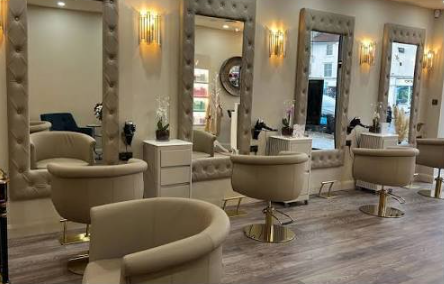
Furniture purchasing is a significant part of setting up or renovating a beauty salon. Owners must balance their budgets with the need for reliable workstations, comfortable seating, practical storage, and a consistent interior style. Buying the cheapest available products may reduce initial spending, but unsuitable dimensions or poor durability can create additional costs later.
A structured purchasing plan helps salon owners compare options, prioritize essential items, and avoid unnecessary expenses. By understanding the business’s operational needs before ordering, buyers can make decisions that support both the client experience and long-term financial performance.
Prepare a Detailed Furniture Inventory
Begin by listing every area that requires furniture. Reception, styling, washing, treatment, retail display, storage, and staff spaces may each have different requirements.
For every area, record the number of items needed, approximate dimensions, key features, and target budget. Separate essential equipment from optional decorative pieces.
This inventory provides a practical foundation for supplier quotations. It also helps prevent duplicate purchases and makes it easier to track orders as the salon approaches its opening date.
Compare Wholesale Purchasing Options
Businesses planning to purchase multiple items may explore salon furniture wholesale options to compare pricing and available configurations.
Wholesale purchasing can be useful when several workstations or matching furniture pieces are required. However, a bulk discount does not automatically make an order cost-effective. Buyers should evaluate the full package, including freight, customization, installation, warranty, and replacement-part availability.
Ask suppliers whether minimum quantities apply and whether different models can be combined in one order. Confirm if bulk pricing depends on the selected finishes or standard configurations.
See also: Why 2026 Is the Best Year to Start a Business: The Definitive Entrepreneurial Blueprint
Evaluate Quality Before Price
Frame and Hardware
Frames, hinges, drawer slides, fasteners, and adjustment mechanisms affect furniture stability and everyday usability. Ask for material specifications and inspect samples where possible.
For chairs and adjustable furniture, review the operating mechanism and the manufacturer’s stated limitations. Products should be suitable for the frequency and type of use expected in the salon.
Upholstery and Finishes
Furniture upholstery should suit the salon’s cleaning routine and the products commonly used in its service areas. Check seam construction, surface texture, and the manufacturer’s care recommendations.
Work surfaces should also be evaluated for resistance to routine wear. A finish that is difficult to clean or easily damaged may increase maintenance costs.
Comfort and Ergonomics
Stylists and technicians spend many hours working around clients. Chair height, back support, workstation layout, and access to tools can affect comfort and efficiency.
Client seating should also suit the service duration and intended user group. Test important furniture pieces where possible instead of relying entirely on product photographs.
Calculate the Total Cost of Ownership
The purchase price is only one component of the overall investment. Buyers should account for shipping, handling, installation, taxes, repairs, replacement parts, cleaning, and eventual replacement.
A simple spreadsheet can compare competing quotations using the same categories. This reveals whether a low-priced option remains economical after all relevant expenses are included.
Expected service life should be assessed cautiously. Use available warranty terms, product documentation, and credible evidence rather than assuming that a higher price guarantees better durability.
Plan Measurements Before Ordering
Measure the salon’s doorways, corridors, lifts, work areas, and storage locations. Confirm the dimensions of each item, including the space required for drawers, reclining components, or moving chairs.
A floor plan can help identify overcrowded workstations and awkward circulation routes before furniture arrives. It should also account for electrical outlets, plumbing, mirrors, and lighting.
When ordering customized items, approve the final measurements and specifications in writing. Even small differences can affect how furniture fits into a compact commercial space.
Manage Delivery and Installation
Coordinate delivery dates with renovation work, electrical preparation, plumbing, and other contractors. Large furniture pieces may require special handling or temporary storage.
Ask suppliers how products will be packaged and whether assembly is included. Confirm who is responsible for carrying items into the building and removing packaging materials.
Inspect deliveries promptly. Record damaged surfaces, missing accessories, or incorrect items and follow the supplier’s documented process for resolving discrepancies.
Avoid Common Purchasing Mistakes
Several problems can be reduced through advance planning:
- Buying furniture before measuring the available space.
- Selecting products based only on appearance.
- Ordering more units than the business can use.
- Ignoring cleaning and maintenance requirements.
- Failing to verify customization details.
- Overlooking freight and installation expenses.
- Leaving no time for delivery delays or replacement items.
Owners should also avoid making every purchasing decision at once when the budget is limited. Prioritize the furniture needed to provide core services and schedule nonessential upgrades for a later phase.
Maintain a Consistent Brand Identity
Cost-effective purchasing does not require an inconsistent interior. Choose a small set of finishes, colors, and materials that can be repeated across workstations and reception areas.
Standardizing selected items can simplify future replacements and make additional branches easier to equip. However, visual consistency should not override the functional requirements of specialized service areas.
Conclusion
Cost-effective furniture purchasing depends on clear requirements, accurate measurements, complete quotations, and realistic maintenance planning. Salon owners who compare total ownership costs and verify product specifications can manage their budgets more effectively while creating a professional, comfortable environment for staff and clients.
FAQs
1. Does wholesale salon furniture always cost less?
Bulk orders may offer better unit pricing, but the final value depends on shipping, customization, quality, installation, warranty, and the quantity actually required.
2. How can salon owners avoid buying unsuitable furniture?
Measure the premises, prepare a floor plan, document required features, and verify product dimensions before approving an order.
3. Which furniture items should receive priority in a limited budget?
Prioritize equipment required for the salon’s core services, safe operation, and efficient workflow. Decorative upgrades can be added as the business grows.
