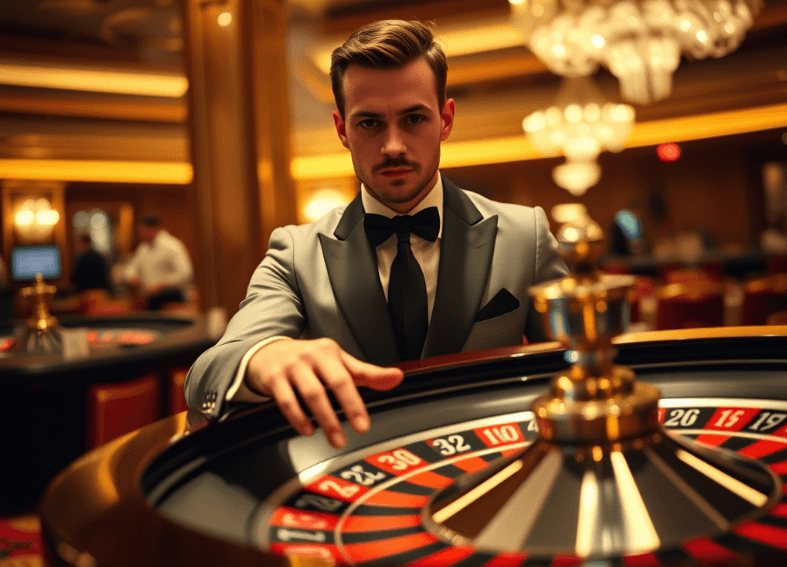
A casino scene can turn a simple card game into a tense moment. One player studies the table. Another hides a smile. A dealer turns the final card, and the room falls silent.
The rules may be simple, but the stakes feel high. A character might risk money, trust, or a secret. The audience knows that one small choice could change the story.
Filmmakers use camera angles, sound, lighting, and pacing to build this tension. A close-up reveals a nervous glance. A slow shot makes each second feel longer. A sudden silence draws attention to the next move.
Films such as Casino Royale, Casino, and Ocean’s Eleven show how casino settings can serve different stories. One uses a card game to test its hero. Another explores power and control. The third turns a casino into the stage for a complex heist.
These scenes work because they combine clear goals with uncertain results. Viewers understand what the characters want, but they cannot know what will happen next.
The best casino scenes are not just about winning or losing. They reveal character, conflict, and hidden motives through small actions that carry great weight.
How Camera Angles And Close-Ups Build Tension
In a casino scene, the camera controls what viewers see and what remains hidden. A director may show a player’s face but hide the cards. This creates a simple question: What does the player know?
Close-ups make small actions feel important. A hand moves across the table. A player checks an opponent’s face. A single glance may reveal fear, doubt, or confidence.
In Casino Royale (2006), the poker scenes use tight shots to focus on the players’ reactions. The camera often gives viewers more information about their emotions than their cards.
Wide shots serve another purpose. They show the space around the characters. Crowded tables, bright lights, and watchful faces can make a player seem trapped.
This technique also works with slot machine scenes. Whether a film shows a classic fruit machine or a modern desi casino slots game, the camera can focus on moving symbols, flashing lights, and a character’s reaction.
The machine itself becomes less important than the person watching it.
Directors also use point-of-view shots to place viewers in a character’s position. The audience sees only what that person sees.
By limiting information, the camera turns an ordinary moment into a source of suspense.
How Sound And Silence Raise The Stakes
Sound gives casino scenes much of their tension. The click of a poker chip, the shuffle of cards, or the spin of a roulette wheel can draw attention to a single moment.
Filmmakers often make these sounds louder than they would seem in a busy room. This technique helps viewers focus on what matters.
Background music shapes the mood. A low, steady rhythm can suggest danger. A rising score can make a routine decision feel urgent.
Silence can have an even stronger effect.
When the music stops, viewers notice each breath and movement. A character may reach for a card while the room seems to hold still.
In Casino Royale, sound helps mark shifts in power during the poker tournament. The pace changes as players study one another and react to each hand.
Sound contrast also matters. A loud casino floor may surround two characters who speak in quiet voices. The gap between public noise and private speech makes their exchange feel secret.
These choices guide the audience’s attention without explaining what to feel. A brief pause, a sharp sound, or a sudden change in music can signal that the next action will matter.
How Lighting And Set Design Shape Casino Drama
Casino sets often combine bright lights with dark corners. This contrast helps filmmakers show both glamour and danger.
Warm lighting can make a room feel rich and inviting. Gold walls, polished tables, and soft lamps suggest wealth. Yet a shadow across a character’s face may hint at a hidden plan.
In Casino (1995), the lavish interiors reflect the power and wealth of Las Vegas. As the story grows darker, those same spaces become settings for fear and conflict.
Set design also shapes how characters move. A long gaming table can separate rivals. A narrow hallway can make an escape feel hard. Mirrors may reveal someone watching from behind.
Costumes add another layer. A sharp suit can signal status, while a loose collar or stained shirt may show that a character has lost control.
The strongest scenes use these details together. The room does more than look impressive. It helps tell the story.
Through light, space, and costume, filmmakers turn a casino into a place where every face, object, and movement may carry meaning.
How Editing And Pacing Control Suspense
Editing controls how fast a casino scene unfolds. A director can stretch a few seconds into a long wait or compress several actions into a rapid sequence.
Slow pacing works well when a character faces a hard choice. The editor may hold on a face, cut to the table, then return to the same face. Each shot delays the result and builds tension.
Fast cuts create a different effect. They can show several people acting at once, making the scene feel urgent.
In Ocean’s Eleven (2001), editing helps connect the actions of the heist team. Viewers follow events across different parts of the casino while the plan unfolds.
The film also uses cross-cutting, which moves between events happening at roughly the same time. This makes separate actions feel linked.
A well-timed cut can hide a key detail until the right moment. It can also reveal information that changes how viewers understand an earlier scene.
Good editing does not simply make a scene faster. It controls when the audience receives information, turning each delay and reveal into part of the drama.
Why Casino Scenes Remain Powerful In Film
Casino scenes work because they place characters under pressure in a setting where every move can matter.
A card, a glance, or a brief pause may change the course of a story. The audience watches for clues while the characters try to hide their plans.
Camera angles control what viewers see. Sound and silence draw attention to key moments. Lighting and set design establish mood, while editing determines when important details emerge.
These tools work best when they serve the characters rather than the spectacle.
A casino can become a place of conflict, a test of trust, or the setting for a carefully planned heist. The games provide a clear structure, but the drama comes from the people involved.
That is why memorable casino scenes stay with viewers long after the final card appears. Their real power lies not in the outcome of a game, but in what that outcome reveals about the characters.
