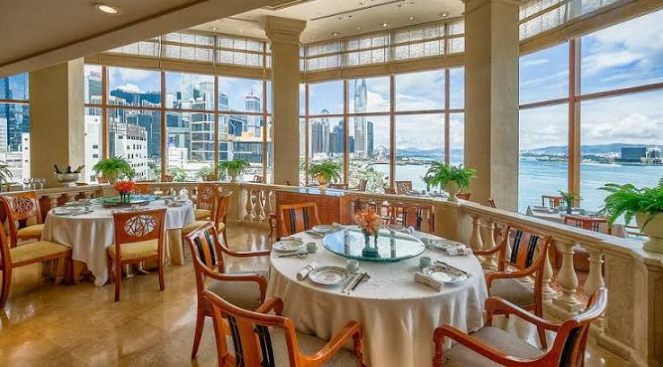
Hong Kong has a diverse dining culture shaped by local traditions, regional Chinese cooking and international influences. Among its many food experiences, Cantonese cuisine remains an important part of everyday life and special occasions. From carefully prepared seafood to traditional soups and wok-fried dishes, it offers a variety of flavours and techniques.
For residents and visitors exploring the Western District, choosing a restaurant involves more than finding a convenient location. The menu, atmosphere, service and suitability for the occasion can all influence the experience.
Understanding the Character of Cantonese Cuisine
Cantonese cooking is known for its attention to ingredients, freshness and preparation. Many dishes use relatively balanced seasoning to allow the natural flavours of seafood, vegetables and meat to remain noticeable.
Steaming, roasting, stir-frying and slow cooking are common techniques. Each method creates a different texture and flavour. Steaming can preserve the delicate quality of fish, while wok-frying relies on careful heat control to develop aroma and texture.
Traditional soups and slow-cooked dishes also have an established place in Cantonese dining. Their preparation may involve selecting seasonal ingredients and allowing flavours to develop gradually.
Choosing Dishes for a Shared Meal
Sharing food is an important feature of many Chinese dining occasions. Instead of ordering one dish per person, a group may select several dishes for the table.
A balanced selection can include vegetables, seafood, meat, soup and rice. Guests should consider the number of diners and portion sizes to avoid ordering more than necessary.
When dining with people who have different preferences, it is helpful to choose a range of flavours and cooking styles. Asking about ingredients and preparation methods can also help accommodate dietary requirements.
The Importance of Ingredient Quality
The quality of ingredients affects the taste, appearance and texture of a dish. Fresh produce, properly stored seafood and carefully selected meats provide a foundation for good cooking.
Seasonality can also influence menu choices. Some ingredients may be more suitable at particular times of the year, and restaurants may adjust their selections accordingly.
Guests who have food allergies or dietary restrictions should communicate them clearly before ordering. They should ask restaurant staff whether a dish contains particular ingredients or is prepared using shared equipment.
Dining in Sheung Wan and Nearby Areas
Sheung Wan and the surrounding Western District offer a mix of traditional neighbourhood food culture and contemporary hospitality. The area attracts office workers, local residents and visitors, creating demand for different types of dining experiences.
A restaurant may be selected for a quick lunch, a business discussion or a longer family meal. Location and transport access are therefore useful considerations, particularly when guests are unfamiliar with the neighbourhood.
It is also sensible to check opening hours and reservation arrangements before visiting, especially when planning a group gathering.
What Makes a Restaurant Suitable for an Occasion?
Different occasions call for different dining environments. A business meal may require comfortable seating and a setting that allows conversation, while a family gathering may benefit from sharing menus and suitable table arrangements.
Service also plays an important role. Clear explanations of dishes, attentive assistance and well-paced courses can make a meal more enjoyable.
Guests should consider the menu, budget and number of diners when selecting a venue. For larger groups, advance communication can help clarify available arrangements.
Exploring Chinese Dining Options
People looking for a chinese restaurant sheung wan can review the restaurant’s dining information, menu options and reservation details before planning a visit. Checking current arrangements directly with the venue is useful when organising a meal for a particular occasion.
Frequently Asked Questions
1. What dishes are commonly associated with Cantonese cuisine?
Cantonese menus often include steamed seafood, roasted meats, stir-fried vegetables, soups and rice dishes. The selection varies by restaurant.
2. Is Chinese dining suitable for group occasions?
Yes. Many Chinese meals are designed for sharing, making them suitable for families, colleagues and groups of friends. It is helpful to confirm seating and menu arrangements in advance.
3. Should guests ask about ingredients before ordering?
Yes. This is particularly important for people with allergies, dietary restrictions or specific food preferences.
Conclusion
Cantonese dining combines ingredient selection, traditional cooking methods and a culture of sharing. Choosing a suitable restaurant involves considering the menu, atmosphere, location and needs of the group. With a little planning, diners can enjoy a meal that reflects the variety and character of Hong Kong’s Chinese food culture.
