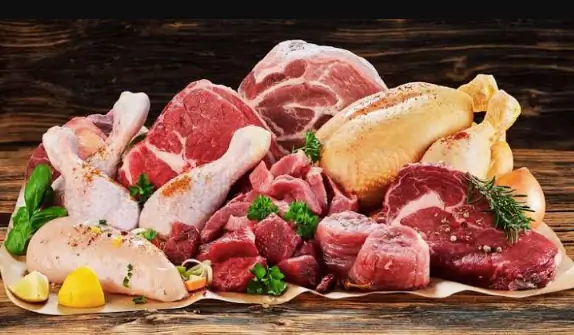
Beef is a versatile ingredient used in countless dishes, from comforting home-cooked meals to restaurant-quality recipes. Its flavor, texture, and nutritional value make it a popular choice for families, professional chefs, and food businesses. However, achieving consistent results begins long before the meat reaches the cooking pan. Selecting suitable cuts, maintaining proper storage conditions, and following safe handling practices all contribute to a better dining experience.
For households with busy schedules, frozen meat can provide flexibility without requiring frequent shopping trips. Restaurants and catering businesses can also benefit from organized frozen storage because it helps them manage inventory and plan menus more efficiently. Understanding how to choose and handle beef properly makes it easier to maintain quality while reducing unnecessary waste.
Why Beef Selection Matters
Not every beef cut is suitable for every recipe. The best choice depends on the cooking method, desired texture, preparation time, and flavor profile.
Tender cuts are often suitable for quick cooking, including grilling, pan-searing, and stir-frying. Other cuts contain more connective tissue and benefit from slower cooking methods that allow the meat to become tender over time. Choosing the right cut can improve the final dish while helping cooks avoid unnecessary preparation challenges.
When selecting beef, buyers should consider several factors:
- Appearance: Beef should have a natural appearance appropriate to its cut and packaging.
- Packaging condition: Seals should remain intact, with no obvious damage or leakage.
- Storage information: Check the product label for storage instructions, dates, and other relevant details.
- Intended use: Select cuts that suit the planned recipe and portion sizes.
- Supplier reliability: Consistent sourcing and proper handling are important for both households and commercial kitchens.
These considerations help buyers make informed decisions instead of choosing products based on price alone.
Understanding the Benefits of Frozen Beef
Freezing is a widely used method of preserving meat for later use. When beef is frozen promptly and maintained at an appropriate temperature, freezing slows the growth of microorganisms and helps preserve the product until it is needed. It does not sterilize meat, so safe handling remains essential.
Greater flexibility for meal planning
Frozen beef allows households to keep suitable portions available for future meals. Rather than purchasing fresh meat for every recipe, families can plan meals around the products already stored in their freezers.
This flexibility can be particularly useful when preparing stews, soups, curries, pasta dishes, or grilled meals. Portioning meat before freezing can make it easier to take out only the quantity required for a particular meal.
Better inventory management for businesses
Restaurants, hotels, and catering operations often need to balance product availability with customer demand. Frozen inventory can help them plan menus and maintain a consistent supply of ingredients when managed correctly.
A clear stock rotation system is important. Staff should label products with the necessary identification and storage dates, organize items systematically, and use older suitable stock first. These practices help reduce forgotten inventory and unnecessary disposal.
Reduced shopping frequency
Keeping properly stored beef available can make everyday cooking more convenient. Households may be able to combine grocery shopping with a weekly or monthly meal plan, depending on freezer capacity and consumption patterns.
However, convenience should never replace proper temperature control or attention to product labels. Storage periods vary according to the cut, packaging, and recommended handling instructions.
Choosing Cuts for Different Recipes
Understanding the characteristics of common beef cuts can help buyers make more appropriate selections.
Beef for quick cooking
Thinly sliced beef and suitable tender cuts work well in stir-fries, fajitas, sandwiches, and quick skillet meals. Cutting meat into uniform pieces can help it cook more evenly.
For stir-frying, prepare the vegetables and sauces before the meat enters the pan. Cooking in manageable batches can prevent overcrowding, which may otherwise cause the ingredients to steam rather than brown.
Beef for slow cooking
Cuts intended for braising and stewing often benefit from longer cooking times. During slow cooking, connective tissue can gradually soften, producing a rich texture and flavorful sauce.
These cuts are suitable for traditional stews, curries, casseroles, and soups. Adding enough liquid and maintaining gentle heat helps the ingredients cook evenly without excessive moisture loss.
Beef for grilling
Grilling requires attention to cut thickness, heat, and cooking time. Suitable cuts can develop a flavorful exterior while remaining tender inside when prepared correctly.
Before cooking, remove excess surface moisture where appropriate and season the meat according to the recipe. Allowing cooked beef to rest briefly can help retain juices when it is sliced and served.
Safe Thawing and Storage Practices
Food safety is a central consideration whenever meat is stored or prepared. Frozen beef should be kept at a stable freezer temperature, generally 0°F (-18°C) or below for long-term frozen storage.
Thawing meat correctly
The refrigerator is generally the preferred method for thawing beef because it keeps the meat at a controlled, cold temperature. Place the product in a container to prevent juices from contacting other foods.
When faster preparation is necessary, beef can be thawed in cold water in a leakproof package, with the water changed regularly. Meat thawed using this method should be cooked promptly. Microwave thawing is another option when the product will be cooked immediately afterward.
Do not leave beef on a kitchen counter to thaw at room temperature. The outer surface can enter a temperature range that supports bacterial growth while the center remains frozen.
Preventing cross-contamination
Use clean utensils and separate raw meat from ready-to-eat foods. Wash hands, work surfaces, and equipment after handling raw beef.
Raw meat juices should never be allowed to drip onto salads, cooked foods, or other ingredients. Refrigerate leftovers promptly in suitable containers, and reheat them thoroughly before serving.
See also: Building Financial Security Through Thoughtful Protection Planning
Maintaining quality during freezing
Packaging helps protect beef from air exposure and freezer burn. Freezer burn can cause dry or discolored areas, although it is primarily a quality issue rather than an automatic indication that food is unsafe.
For better organization, label packages with the cut and freezing date. Avoid repeatedly thawing and refreezing meat, since temperature fluctuations can affect both quality and safety.
Finding Suitable Products for Your Kitchen
Buyers should consider their household requirements, cooking preferences, and available storage space when choosing meat products. Commercial kitchens may need additional attention to portion consistency, supplier documentation, delivery schedules, and stock rotation.
Customers comparing options for frozen beef hong kong can review the available selection and determine which products best suit their intended recipes and purchasing needs.
Before ordering, check the product description, pack size, delivery arrangements, and storage instructions. Businesses purchasing in larger quantities should also consider whether their freezer capacity and stock management procedures can accommodate the order safely.
Frequently Asked Questions
1. Does freezing beef preserve its quality?
Freezing can preserve beef for later use when the meat is handled correctly and kept at an appropriate temperature. Packaging, storage duration, and temperature stability influence the quality of the product.
2. What is the safest way to thaw frozen beef?
Thawing in the refrigerator is generally the safest option. Cold-water and microwave methods can also be used when appropriate, provided the necessary precautions are followed and the meat is cooked promptly when required.
3. How should beef be stored after purchase?
Follow the package instructions and refrigerate or freeze the product promptly. Keep raw meat securely packaged, separate it from ready-to-eat foods, and maintain suitable storage temperatures.
Conclusion
Choosing good beef involves more than selecting a cut that looks appealing. Buyers should consider the intended recipe, packaging, storage conditions, supplier reliability, and food safety requirements. Frozen beef can offer practical flexibility for home cooking and commercial food preparation when stored and handled correctly.
By selecting suitable cuts, planning portions, following safe thawing practices, and maintaining an organized freezer, households and food businesses can improve consistency and reduce waste. These simple habits help make beef a convenient and dependable ingredient for a wide range of meals.
